4.11.19

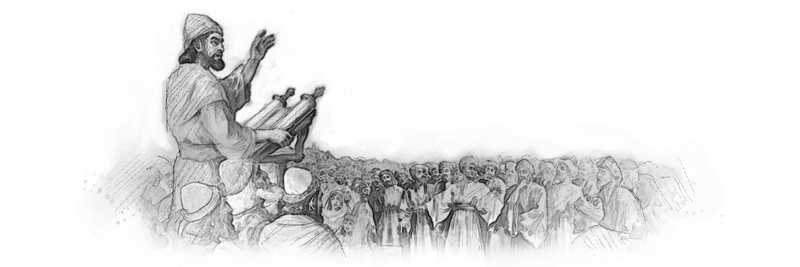
The Reading of the Word

Lesson 6, November 2–8

Sabbath Afternoon


Memory Text: “So they read distinctly from the book, in the Law of God; and they gave the sense, and helped them to understand the reading.” Nehemiah 8:8

The Jerusalem wall was finished. With the placement of the gates, the Israelites, under the leadership of Nehemiah, had thus completed the main task. When the wall was completed, the surrounding nations were in awe and recognized that this “was done by . . . God” (Nehemiah 6:16). The enemies realized that the God of Israel was real because, despite the incredible opposition and hatred the Israelites experienced, they still had completed the work they had set out to do.

Following the completion of the wall, Nehemiah appointed a governor of Jerusalem (his brother Hanani) and a leader of the citadel (Hananiah). Both men were chosen based on integrity, trustworthiness, and reverence for God (Nehemiah 7:2) rather than on genealogy. The wall was completed during the month of Elul (6th month; Nehemiah 6:15).

What was to be the next order of business? The following chapters of Nehemiah (Nehemiah 8-10) describe an important series of events in the month of Tishri, the 7th month (Nehemiah 8:2). In these texts we can see examples of how the children of Israel were determined to obey the Word of God and how they rejoiced in it.

1.11.19

Transgredindo o Espírito da Lei - Lição 5

“Violating The Spirit Of The Law” (5 of 13) by Pastor Chris Buttery

Luccas Rodor - Violating the Spirit of the Law

Estudo Adicional 01.11.19

Sexta-feira, 01 de Novembro 

Texto de Ellen G. White: Profetas e Reis, p. 646-652 (“Condenada a Extorsão”). 

“Ouvindo Neemias desta cruel opressão, ele encheu-se de indignação. ‘Ouvindo eu, pois, o seu clamor, e estas palavras’, ele diz, ‘muito me enfadei’ (Neemias 5:5, 6). Ele viu que se quisesse ter êxito em derribar o opressivo costume da cobrança precisava tomar posição decidida ao lado da justiça. Com característica energia e determinação, entregou-se à tarefa de levar alívio a seus irmãos.” Ellen G. White, Profetas e Reis, p. 648 

“Jesus estabeleceu então um princípio que tornaria desnecessário o juramento. Disse que a exata verdade deve ser a lei da linguagem. ‘Seja porém, o vosso falar: Sim, sim; Não, não; porque o que passa disto é de procedência maligna’.” Mateus 5:37; Ellen G. White, O Maior Discurso
de Cristo, p. 67 

“Estas palavras condenam todas aquelas frases sem sentido e palavras imprecatórias que beiram a profanidade. Condenam os enganosos cumprimentos, a evasiva da verdade, as frases lisonjeiras, os exageros, as falsidades no comércio, coisas comuns na sociedade e no mundo dos negócios. Elas ensinam que ninguém que busque parecer o que não é, ou cujas palavras não exprimam o sentimento real do coração, pode ser chamado verdadeiro.” O Maior Discurso de Cristo, p. 68 

Perguntas para discussão: 

1. Porque é o egoísmo a essência dos problemas com as finanças e as relações interpessoais? 

2. Como podemos evitar a ganância? Qual é a provisão divina contra isto? (Isaías 58:3-12; Miqueias 6:6-8). 

3. Reflita sobre o dom da fala e o poder das palavras. Jesus é chamado “o Verbo” (João 1:1, 2). O que significa isto? Isto ajuda-nos a entender a importância e o peso das palavras? 

4. É impressionante que, há milhares de anos, Jesus disse que os pobres sempre estariam entre nós. Somos advertidos a ajudar os necessitados. Como podem estas duas ideias harmonizar-se e motivar os cristãos a trabalhar pelos menos afortunados?

O Exemplo de Neemias

Quinta-feira, 31 de Outubro 

6. Leia Neemias 5:14-19. Que razões apresentou Neemias para não exigir do povo “o pão devido ao governador” (Neemias 5:18)? 

Neemias terá provavelmente escrito este relato depois do seu regresso à corte do rei Artaxerxes, depois de governar Judá durante 12 anos. Embora os governadores tivessem o direito de receber impostos dos seus súbditos, Neemias nunca reivindicou este direito e financiou o seu sustento. Ele não só pagou as suas próprias despesas, mas também sustentou a sua família e toda a corte. Zorobabel, o primeiro governador, é o único cujo nome conhecemos. Quando Neemias mencionou “os primeiros governadores”, ele provavelmente estava a referir-se aos governadores que existiram entre os governos de Zorobabel e o seu próprio governo. Em resultado, ao terminar o seu mandato, ele teria provavelmente perdido dinheiro. Em vez de trazer riquezas, como era de se esperar de uma posição de prestígio, Neemias teria provavelmente perdido a riqueza e os bens, por causa da sua atitude de generosidade. Sendo ele abastado, pôde prover o alimento diário para muitas pessoas. Ele foi generoso em suprir abundantemente as necessidades dos outros (Neemias 5:17, 18). 

Embora não tenha feito o mesmo que Abraão, depois do resgate dos que foram capturados pelas nações vizinhas (veja Génesis 14), o que Neemias fez revela o mesmo princípio. 

7. Leia Neemias 5:19. O que disse ele neste verso? Como podemos entender isto em relação ao evangelho? 

Vemos em Neemias o exemplo de alguém que colocou o Senhor e a Sua obra antes do seu ganho e vantagens pessoais. Esta é uma boa lição para nós, independentemente da nossa situação específica. É fácil trabalhar para o Senhor quando não nos custa muito. 

Leia Filipenses 2:3-8. Como pode revelar enam sua vida os princípios abnegados expressos nesta passagem e demonstrados na vida de Jesus Cristo?

Further Thought 01.11.19

Friday, November 1


“As Nehemiah heard of this cruel oppression, his soul was filled with indignation. ‘I was very angry’, he says, ‘when I heard their cry and these words’. He saw that if he succeeded in breaking up the oppressive custom of exaction he must take a decided stand for justice. With characteristic energy and determination he went to work to bring relief to his brethren.” Ellen G. White, Prophets and Kings, p. 648.

“Jesus proceeded to lay down a principle that would make oath taking needless. He teaches that the exact truth should be the law of speech. ‘Let your speech be, Yea, yea; Nay, nay: and whatsoever is more than these is of the evil one’. R.V.” Ellen G. White, Thoughts From the Mount of Blessing, p. 67.

“These words condemn all those meaningless phrases and expletives that border on profanity. They condemn the deceptive compliments, the evasion of truth, the flattering phrases, the exaggerations, the misrepresentations in trade, that are current in society and in the business world. They teach that no one who tries to appear what he is not, or whose words do not convey the real sentiment of his heart, can be called truthful.” Page 68.

Discussion Questions:

Why does selfishness lie at the core of our human problems when dealing with finances and interpersonal relationships?

How can God’s people avoid greediness? What is God’s provision against it? Study the following texts: Isaiah 58:3-12 and Micah 6:6-8.

Dwell more on the gift of speech and the power of our words. What does John 1:1, 2 mean when it calls Jesus “the Word”? How does this help us understand the importance of words and what they mean?

It’s amazing that thousands of years ago Jesus said that the poor would always be among us. We also are admonished to help those in need. How do these two ideas fit together in helping motivate Christians to work for those who are less fortunate?